
About Jaan Pterol
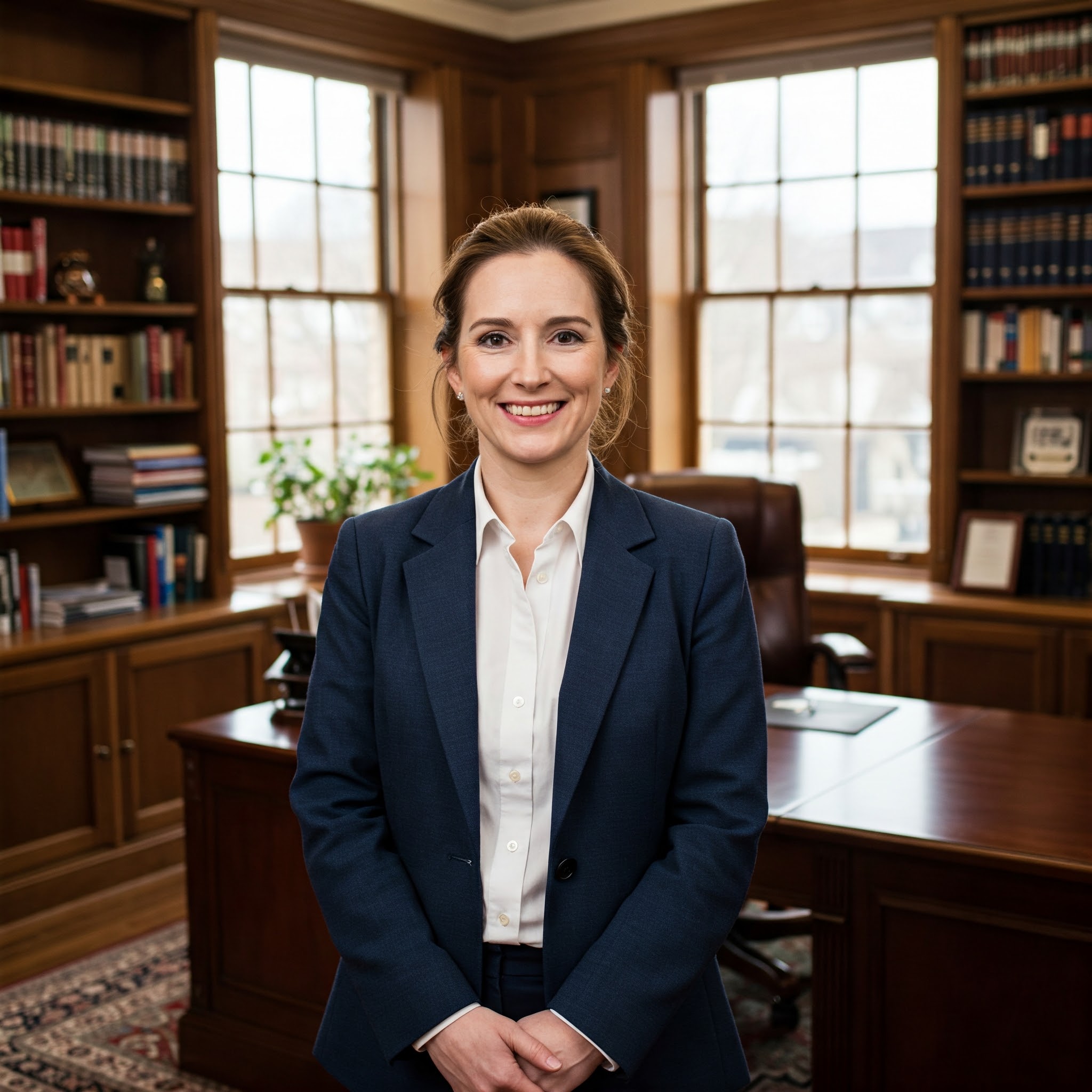
- Title:
- Joy Maloy, DA Professor of Musicology
- Department:
- Music Department
How did your life experience influence the direction of your work?
My path into musicology was deeply shaped by my upbringing in a small, culturally rich town nestled in the Appalachian foothills. Music wasn't just entertainment there; it was the fabric of daily life – from old-time fiddle tunes at community gatherings to gospel hymns in church, and the stories woven into every ballad. I saw firsthand how music preserved history, expressed identity, and built bridges between generations. This immersive experience ignited my fascination with music not just as an art form, but as a profound social and cultural phenomenon. It compelled me to understand not just the notes on a page, but the people behind them, the traditions they embodied, and the broader contexts that gave them meaning.
Tell us your story.
I began my formal studies as a classical pianist, drawn to the rigor and beauty of Western art music. However, I quickly realized my passion extended beyond performance to the "why" and "how" of music's existence. I pursued my undergraduate degree in music performance but simultaneously gravitated towards ethnomusicology courses, captivated by the methodologies of fieldwork and cultural analysis. This led me to my master's and doctoral work, where I specialized in musicology, focusing on American vernacular traditions and their intersections with social history. Before joining Mythos University, I spent several years working in archival research and even a stint with a folk arts council, experiences that grounded my academic pursuits in real-world cultural preservation efforts. Joining the faculty here at Sanderson has been a wonderful opportunity to blend my research with teaching, inspiring the next generation of scholars and practitioners.
What current project are you most excited about?
Right now, I'm incredibly excited about a project exploring the musical landscape of early 20th-century immigrant communities in the industrial cities of the Northeast. I'm specifically looking at how different ethnic groups, often living in close proximity and facing similar socioeconomic challenges, utilized music as a means of both preserving their cultural distinctiveness and fostering inter-group dialogue. I'm uncovering fascinating connections between labor movements, social reform, and the evolving musical tastes of these vibrant communities. It's a challenging but deeply rewarding dive into primary sources – old newspaper ads, union songbooks, personal diaries, and early phonograph recordings – to piece together a sonic history that's often overlooked.
What’s next?
"What's next" is always the thrilling part! Building on my current research, I plan to develop a new graduate seminar here at Mythos focused on "Music and Migration," drawing in perspectives from anthropology, history, and sociology, not just musicology. I also hope to secure grant funding to expand my fieldwork, potentially including oral history interviews with descendants of these immigrant communities, to capture their lived experiences and memories of this rich musical heritage. Ultimately, I aim to publish a book that brings these untold musical stories to a wider audience, demonstrating the enduring power of music to shape identity and foster community in challenging times.
